
The Last Shall be First

Parenting is a great responsibility, and as the father of two teenage girls I take that responsibility very seriously. For example, it is my job to make sure my children are properly prepared and equipped to engage with this world. To that end, I have been working hard to make sure that they have seen all of the important movies of the 80s and 90s that were formative for my generation. It’s just one of those selfless acts a parent does…one of those things that requires a great amount of perseverance and endurance because let me tell you…it’s not easy showing them a movie that is near and dear to your heart and having them not really get it or not find it that good or that funny. It’s a true trial. But I soldier on because even though they may not be grateful right now and may not see the value in this gift that I am giving them…one day when they are well-rounded adults that can snobbishly reference older movies at cocktail parties and stand aghast that their contemporaries haven’t seen these classics, classics like The Three Amigos, the Goonies, Spaceballs, Indiana Jones, Star Wars, Dumb and Dumber, etc. etc. …they will then call me and thank me. It’ll all be worth it.
One of those movies that is next on my list for the education of my Gen Z and Gen Alpha children is the 1989 classic “Field of Dreams,” starring the incredible cast of Kevin Costner, James Earl Jones, Amy Madigan, and Ray Liotta. I still tear up at the ending scene every time. And of course you know, that is your homework too this week, go watch “Field of Dreams.” If you haven’t seen it, I am not going to spoil the whole thing for you I promise, but I do need to give you some context for a moment in this movie that is essential to our gospel passage this past Sunday. Ray is the main character, played by Kevin Costner, and he is a regular corn farmer in Iowa. And one day while in his corn fields Ray hears a voice whisper…what does it whisper? This is true move trivia here. I know someone knows it. Yes! “If you build it, he will come.” And that sentence starts Ray on an adventure that you just have to see or see again whatever your case may be. At one point, after he has done everything the voice has asked him to do, Ray’s friend, played by James Earl Jones, gets invited to go to a…a special place is all I’ll say. Trying not to spoil it for those who haven’t seen it. And Ray isn’t invited, and he gets upset especially because all of this has been happening in his corn field for crying out loud. Ray says, “I have done everything I have been asked to do, I didn’t understand it, but I’ve done it, and I haven’t once asked what’s in it for me.” He is then asked, “What are you saying, Ray?” And Ray responds in a declarative voice that turns sheepish as he hears the words coming out of his mouth, “I’m saying what’s in it for me?”

What’s in it for me? What do I get for all my effort? What do I get for all my obedience? In that moment, Ray joins Peter and the disciples in the exchange that leads up to Jesus telling the parable of the laborers in the vineyard in our gospel passage today. This parable comes on the heels of Jesus speaking with the Rich Young Ruler, which Jesus sums up saying, “It is easier for a camel to go through the eye of a needle than for a rich man to enter the kingdom of God.” He blows up the common understanding that wealth = blessed = God’s favor, and blessed = getting into God’s kingdom. The disciples are picking up what Jesus is laying down here and respond saying, “Who then can be saved?” And Jesus gives one of his great statements, “What is impossible with man is possible with God.”
And Peter has his Ray moment right then and there. If you were standing there you would be able to see the wheels turning in Peter’s earnest mind. He was doing the math: so, if being wealthy and having a lot of things makes it basically impossible to get in, then giving those things up must be the ticket. I love Peter because he is the mouthpiece for all of us in the gospels. He’s the one that blurts out what all the other guys are thinking, but are too timid to say. Most of the other disciples live by that old proverb, “Even a fool who keeps silent is considered wise” (Proverbs 17:28). Or our more contemporary version: “Better to keep your mouth shut and be thought a fool, than to open your mouth and remove all doubt.” Peter never seemed to retain that lesson. He just always lets it rip, which thank God he did, right? Because at least we know we’re not alone. This is one of those moments, and Peter says to Jesus, “See, we have left everything and followed you. What then will we have?” You see Peter’s logic, Hey, I know we weren’t rich like that young ruler, but still we left everything we did have, and it felt like a big deal to us, so what do we get for that? Just like Ray’s objection: We’ve done everything you’ve asked, we didn’t understand it, but we did it, and now we want to know what’s in it for us?
It’s important to note that before Jesus launches into his parable, which in light of Peter’s question is definitely a correction of our thinking, one might call it a rebuke, except for what Jesus says first. Jesus is super compassionate toward his friends especially his earnest and unedited friend, Peter. He responds:
“Truly, I say to you, in the new world, when the Son of Man will sit on his glorious throne, you who have followed me will also sit on twelve thrones, judging the twelve tribes of Israel. And everyone who has left houses or brothers or sisters or father or mother or children or lands, for my name's sake, will receive a hundredfold and will inherit eternal life” (Matt. 19:28-29).
He gives Peter and the other disciples a promise first that whatever they have given up for him will pale in comparison to what he will give them. They will get to sit on thrones with him in heaven with authority over the 12 tribes of Israel. That’s amazing! And Jesus expands the picture to all of us…that whatever we lose for his name’s sake will be returned to us a hundredfold and more important than any of that, he will give us his gift of eternal life. We will be with him in glory! That’s his great promise to us. Jesus gives it before he launches into this story. The call to follow him does indeed come with a cost, in fact it costs each and every one of us our very lives…the life we thought we’d have…the life of living for ourselves, for our own glory and success. The life the world thinks is the highest good. As Eddie Vedder sang, “I know I was born and I know that I'll die. The in between is mine. I am mine.” Master of our own domain. The life that always ends up asking, “What’s in it for me?” That life must go…it must die. But Jesus tells us what he gives us is so much better. He gives us the promise first…true life, eternal life.

With the promise fully given, Jesus now goes after that old life in Peter and Ray and all of us with this parable. He attacks that old life. First, he bookends the parable with what Tim Keller would call the upside nature of the gospel opening the story saying, “But many who are first will be last, and the last first.” And concludes the parable with the same statement: “So the last will be first, and the first last.” He’s saying, “My Kingdom does not operate according the world’s values. You’re in the zone of earning and deserving, what Robert Farrar Capon calls the realm of the bookkeepers. You’ve got your ledger out and your keeping track of who has done what and who is owed what. But my Kingdom does not operate this way.”
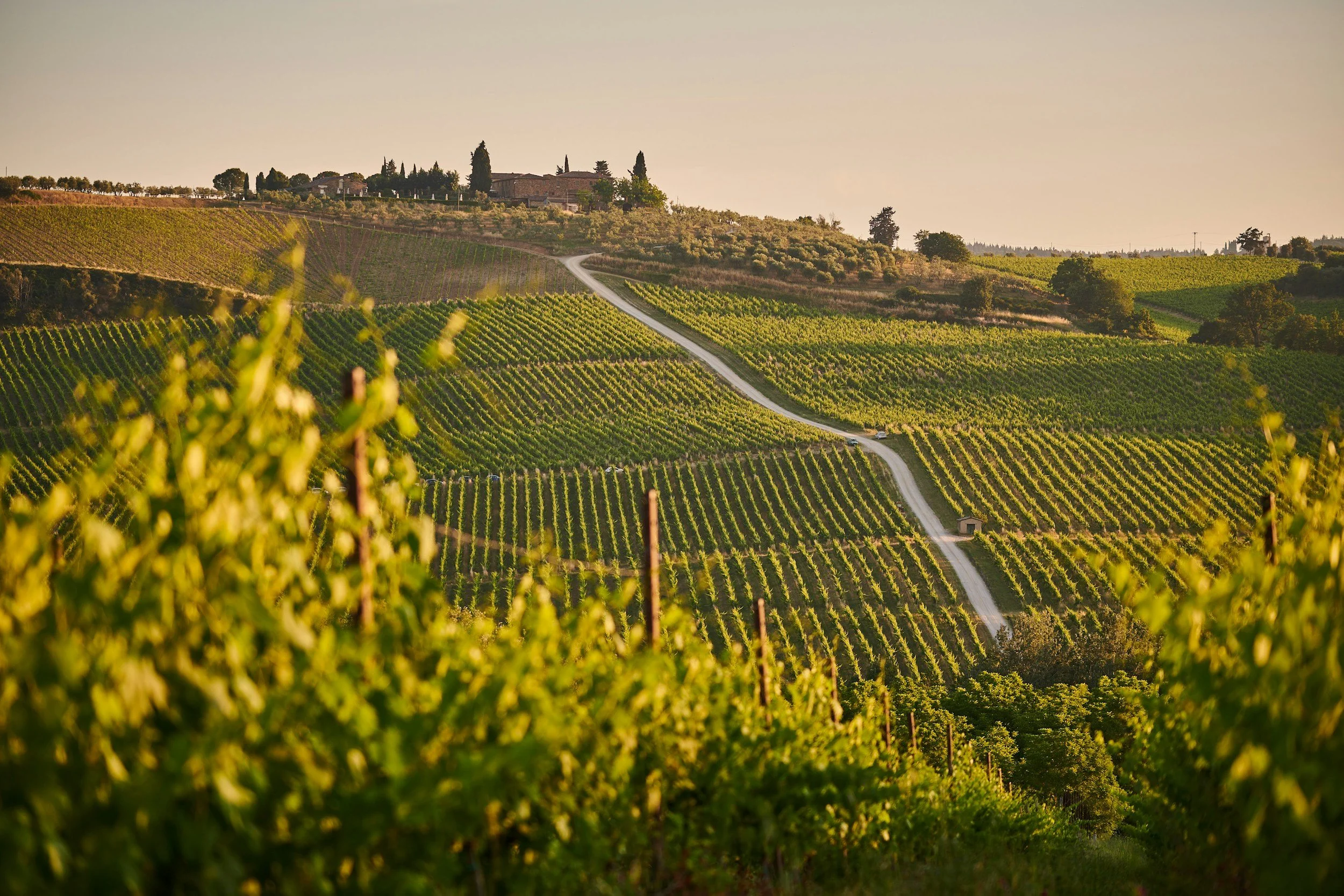
The only work that carries any eternal weight, that effects any lasting change in the Kingdom of God is Jesus’ work. He’s the vineyard owner, he is the master of the house, and what does he do? He goes out…he goes out searching for laborers for his vineyard. He is the instigator, the initiator. He is the one that acts first…he goes out early in the morning. He does not wait, and he does not delay because he cares about his vineyard and wants to bring in the harvest. It’s very important to remember who this vineyard, this world belongs to, and who is 100% invested in the success of the harvest. It’s Jesus, the master of the house. He wants every last bit of fruit to be gathered. So, he goes out to find and hire his laborers. Not just once, but all day long! The passage paints a picture of a man who is constantly going out to find more laborers for his vineyard – he goes out 5 times in one day, from the beginning of the work day to the end of the work day to bring more into his vineyard to bring in the full harvest.
Hearing the tenacity of the master tells a couple things about the harvest too. It is imminent. There is an urgency to the master’s work. As we said, he is not wasting any time. He is vigilant, watching to make sure every last bit of fruit is brought in before the winter rains come and it’s too late. The time is now! The harvest is imminent, and it is also huge! As we heard, He goes out 5 times to get more workers because there is so much to bring in. He insures that no one will be lost…the harvest will be complete. As Gandalf said to Frodo, “That is a very encouraging thought.”
But what about these laborers that the master brings in? What’s their deal? They are day laborers, which means they were basically the bottom of the barrel in the economic food chain. They were lower than servants and even lower than slaves because they did not belong to a household. There was no guarantee of work. They lived hand to mouth. They hung out in the marketplace hoping that someone would come along and hire them. In many ways it is a very helpless picture. Jesus repeatedly describes them as idly standing around. They were poor; they were needy, desperate, and could not change their situation on their own. Jesus paints a picture of them passively waiting…standing idle in their need. They needed someone to come and choose them. They needed someone to come and change their status from unemployed to employed. And it only gets worse as the day wears on. The people he hires at the end of the day are the bottom of the bottom of the barrel. They waited all day for someone to hire them, and no one did. They were the rejects of the rejects. But the master comes and hires them too. He wants them all to work for him because the harvest is now and it is big.
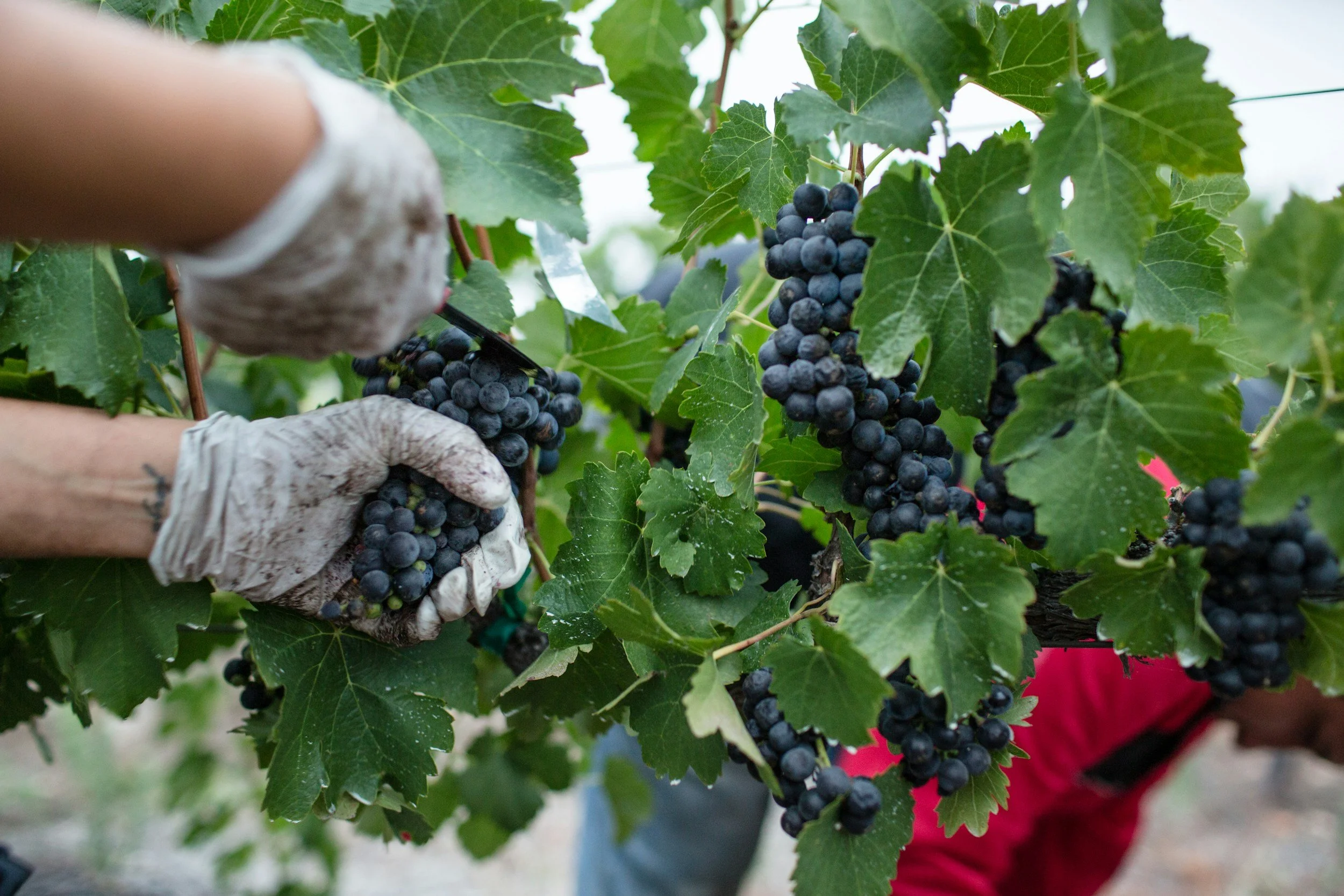
And now we get to the heart of the issue for Peter, for Ray in Field of Dreams, and for all of us bookkeepers…asking “what’s in it for me?” What about payment? Just like how he handled Peter by giving him the promise first, the master tells the first crew of laborers he will give them good pay…what a regular full-time employee would get. He didn’t take advantage of their desperation and try to get a deal for their labor…cheap labor. No. He promises them what he would pay any of his other employees for their work. They are very happy with that, and go out into the field to work. As the story progresses the master gets a little more vague with the other groups. He simply says, “whatever is right I will give you.” You can see how desperate they are for work that they don’t even insist on negotiations or make any demands. They are just thrilled to be hired, to have work for that day that they just say ok and get to work.
Now remember Jesus is going after that old life of ours, the one Peter gave voice to. The one that is obsessed with comparison, performance, earning, and deserving. Initially, Peter looked at the rich young ruler and implicitly thought: man, that guy’s got it all…I don’t come close to him. But then he saw him walk away sad and heard what Jesus said about rich people…and his stock started to rise. He was like, “If poverty helps you get in, then I’m crushing it there. In fact, I’ve given up everything, so I should get even more than I could have imagined.” Just like the first group in the parable. Jesus sets Peter and Ray and all of us up, by having the master pay the last group he hired, first. The group that worked for only an hour got the full day’s pay that was promised to the first group. So, the first group thought just like Peter…oh man! We worked way more than them (comparison, performance, earning, deserving) we should get way more money than we thought. And we can assume that they also looked down on that last group because as we said the last group hired were the bottom of the bottom of the barrel. The first was hired first because they were most likely the most capable of the lot. Isn’t amazing how we do that? Even when we’re in such a low position we still manage to develop a hierarchy of who’s better than who. That’s the world of performance
But the master gives the first group just what he promised them when he hired them. As we have established the deal he made with them was more than fair…in fact it was generous. Everything the master did was generous to these desperate day laborers. BUT the moment they had someone to compare their situation to their bookkeeping brains couldn’t handle it. They grumble and complain and their view of justice and fairness gets completely skewed. Jesus shows how quickly we move to entitlement with our tit for tat view of the world.
Jesus attacks that old life. It has no place in the kingdom of God. The Kingdom of God functions on a completely different plane. It is all about grace. It is all about gift and God’s generosity to us in Jesus Christ. Jesus shows that grace has nothing to do with our effort or amount of work but it has everything to do with his, the master’s, choice. If he wants to bless the last workers as much as the first that is his decision, his prerogative. It is essential to be reminded that all of us were in the same boat. We were all unemployed, desperate, needy, purposeless and couldn’t do anything to change our situation. We were standing idle in the marketplace waiting, hoping that someone would come and choose us. And that’s exactly what Jesus has done. He has chosen you. He has completely changed your status from unemployed to employed, from outcast and rejected to chosen and loved. And he has given you a purpose, a calling, to help bring in the harvest. And those that you help bring in are transformed too. They too become laborers in the vineyard.
When Jesus puts that old life to death in us, which is exactly what he’s doing with this parable, he does something else simultaneously…he sets us free to enjoy his grace. He gives us a new life that is free from earning and deserving. Instead, it is a life of receiving. He reminds us that all that we have is a gift. And he loves to shower us with his gifts. And the most important thing is that he has given us is his promise of eternal life with him…the greatest gift of all. When you hear that word, it also sets you free from comparison and competition, and it gives you new life where you rejoice with everyone the master brings in. You celebrate his generosity to all of you, and you can’t wait to see more come in. In fact, his work becomes your work too…you want to labor in the vineyard so that more and more come. AND you want the last to be first. You want them to know this new life too…how amazing it is to live in the grace and love of our Lord Jesus. Think of the friend that you that you’ve been praying for for years. Or the neighbor that’s trying to white-knuckle it through life. You want to see them set free. It’s my grandparents who were university professors and we’re too smart for Christianity, and they let us know it, but then when they were in their 90s in their last days the Lord used their lovely Christian nurses to finally bring them into the kingdom. And we all rejoiced! And they’re already there enjoying eternity, and I can’t wait to see them there. It’s like when you’ve seen a great movie that really impacted you, and you just can’t wait to tell others so that they can see it too. You want them to have the best seat in the house and enjoy it as much as you do. That’s how grace and love work, they multiply…that’s how the kingdom of God works. It is for you! That’s the amazing thing about what’s happening right now right here. Jesus has drawn you to this moment. You are here reading this because he wants you here. He wants you to hear his love and grace for you. You are chosen. Come join us in the vineyard as we bring in the harvest. Amen.
Recommended Reading