
The Secret Weapon
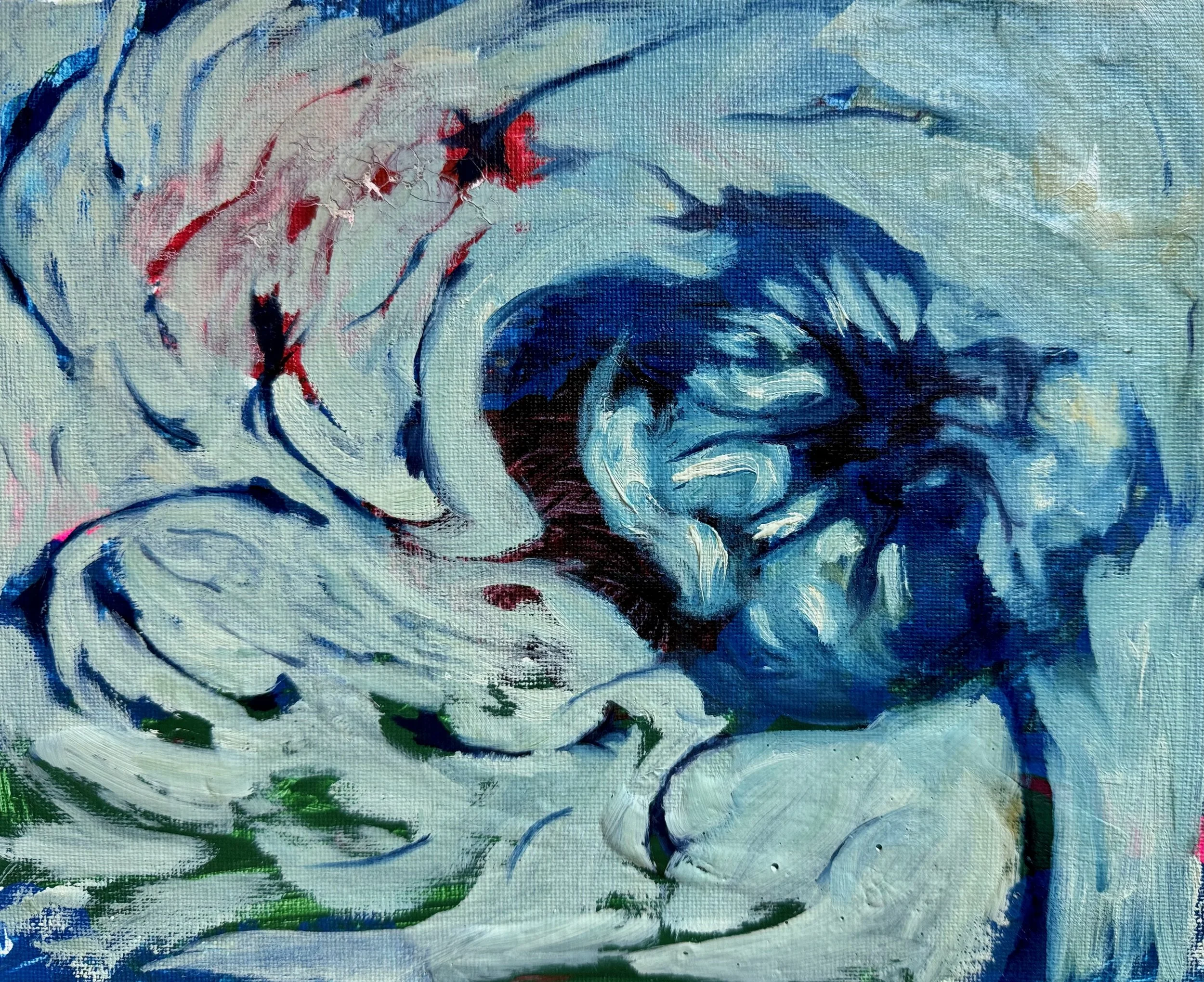
Windy by Kate Norris, 9”x12”, oil on panel
If you are new to Dandelion, welcome! If you are an old friend, thank you for being a part of this. This blog is a refresher on why we keep making art, sharing it, and involving it in all we do to share the grace of Jesus.
Dandelion uses art as a secret weapon to magnify the grace of Jesus Christ in your place of pain. The thing about grace is that it lives in the opposite. Jesus said he was The Truth (John 14:6). He said he was God and that God and God alone is good (Mark 10:18; John 10:30). Scripture claims Jesus is the source of all life and thus beauty (John 1:1-18; Colossians 1:16). Yet the surprise of the Gospel is that the real beauty, goodness, and truth of Jesus Christ meet us in the opposite of those things... in the ugly, in the brokenness, in the lies we believe. The beauty of the cross, which we despised, invades our lives through the power of the Spirit (Isaiah 53:2). Every artist is tasting grace when they set out to create a thing and it “gets it off their chest.” Or when it ends up more beautiful, or more ugly (in a truthful way) than they expected. This is the “heroine of art” one of my art professors said… it is why we put in the long hours. A Christian simply knows the One who gives this grace. We create out of gratitude and worship and need. We create honoring the gifts and personalities with which God has uniquely made each one of us. We create in order to speak to others in symbolic ways of the source of grace: the Person who loves us and gave his life to save ours.
Grace meets us in the disconnect between beauty, truth, goodness and ourselves. That’s where art finds its true home: in conveying the depth of pain yet the power of redemption, the kind of redemption that splits open graves and washes souls clean. Jesus’s beauty makes the ugly beautiful: Jesus’ ugly death in our stead makes our ugly beautiful. Dan Siedell in his book, Who’s Afraid of Modern Art, describes how art acts upon the viewer in similar fashion to the grace of God. Art meets us in the disconnect, which is where we experience the grace of God. He writes, “Art is about discontinuity and contradiction, which is how grace is experienced in the world: an alien intrusion into a world too used to telling us that we are defined by what we do, not by what we have received (I Corinthians 4:7) ” (Siedell, p. 61, 62). The grace of Jesus Christ makes us recipients first. He is the actor, we are the object; Jesus is the giver, we are the recipients. His forgiveness always bears fruit. Art is a real peach ;). Jesus is truly beautiful; we just didn’t recognize it until he rose from the dead and the Spirit opened our eyes. Only his beauty makes the ugly beautiful.
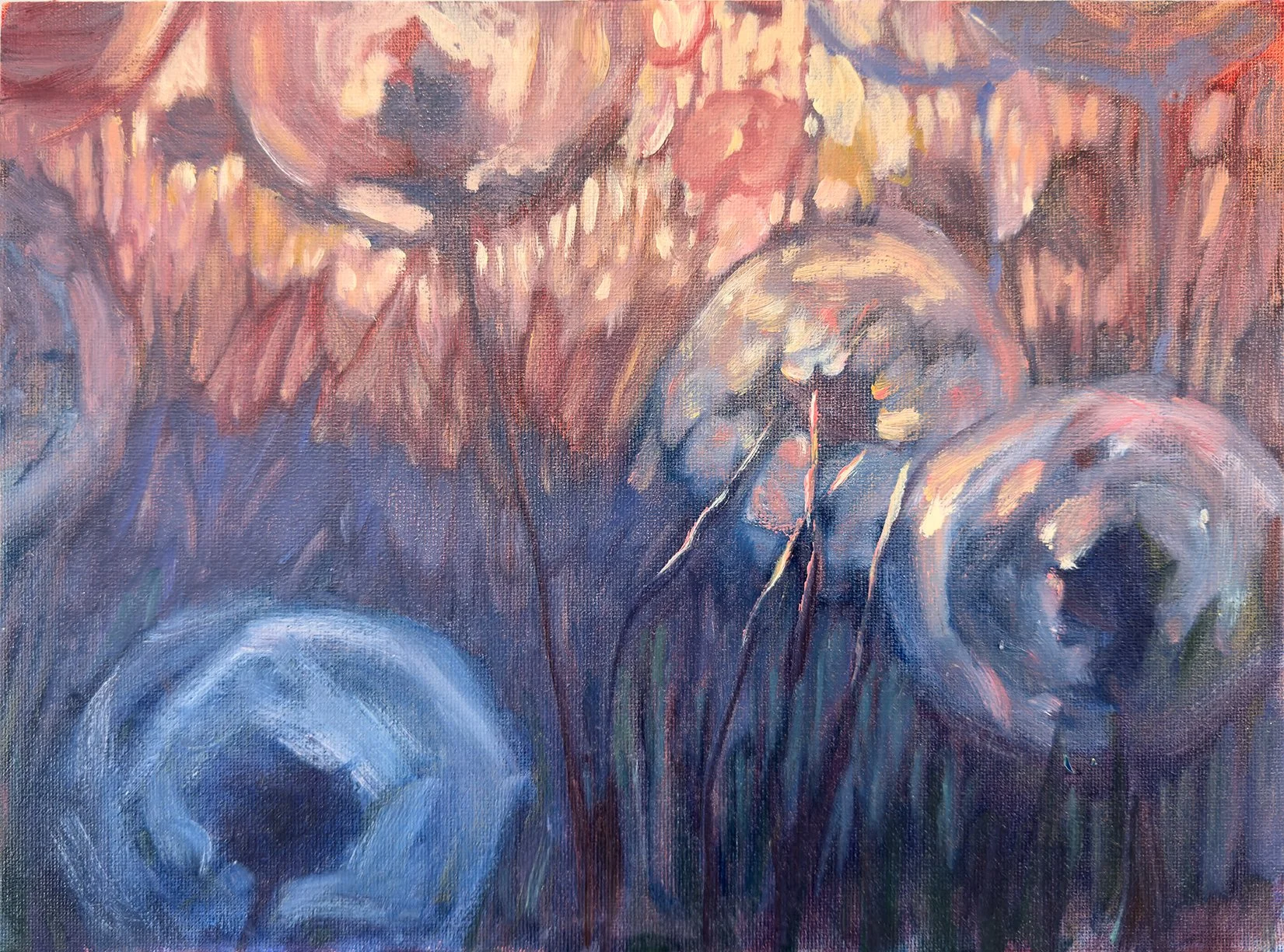
Whisper by Kate Norris 9”x12”
The Apostle Paul identifies this place of disconnect as the place where we long for the fullness of God’s redemption in our lives. He describes the tug between being both fully redeemed and also fully sinners this side of heaven. Art is a form of grieving for—longing for—heaven. We long for something better, we create something to cope with the disconnect of the present. The Apostle Paul described the work of the Spirit as longing. In Romans 8:22-23 he writes that all creation is groaning... and we are longing for the redemption of our bodies; we don’t see it yet. We taste it. We want more. We long. We create out of that longing. In Romans 8:26-27, the Spirit intercedes for us with groanings too deep for words for God’s will to happen in our lives. The Spirit enters into our longing for redemption and gives us faith as we wait.
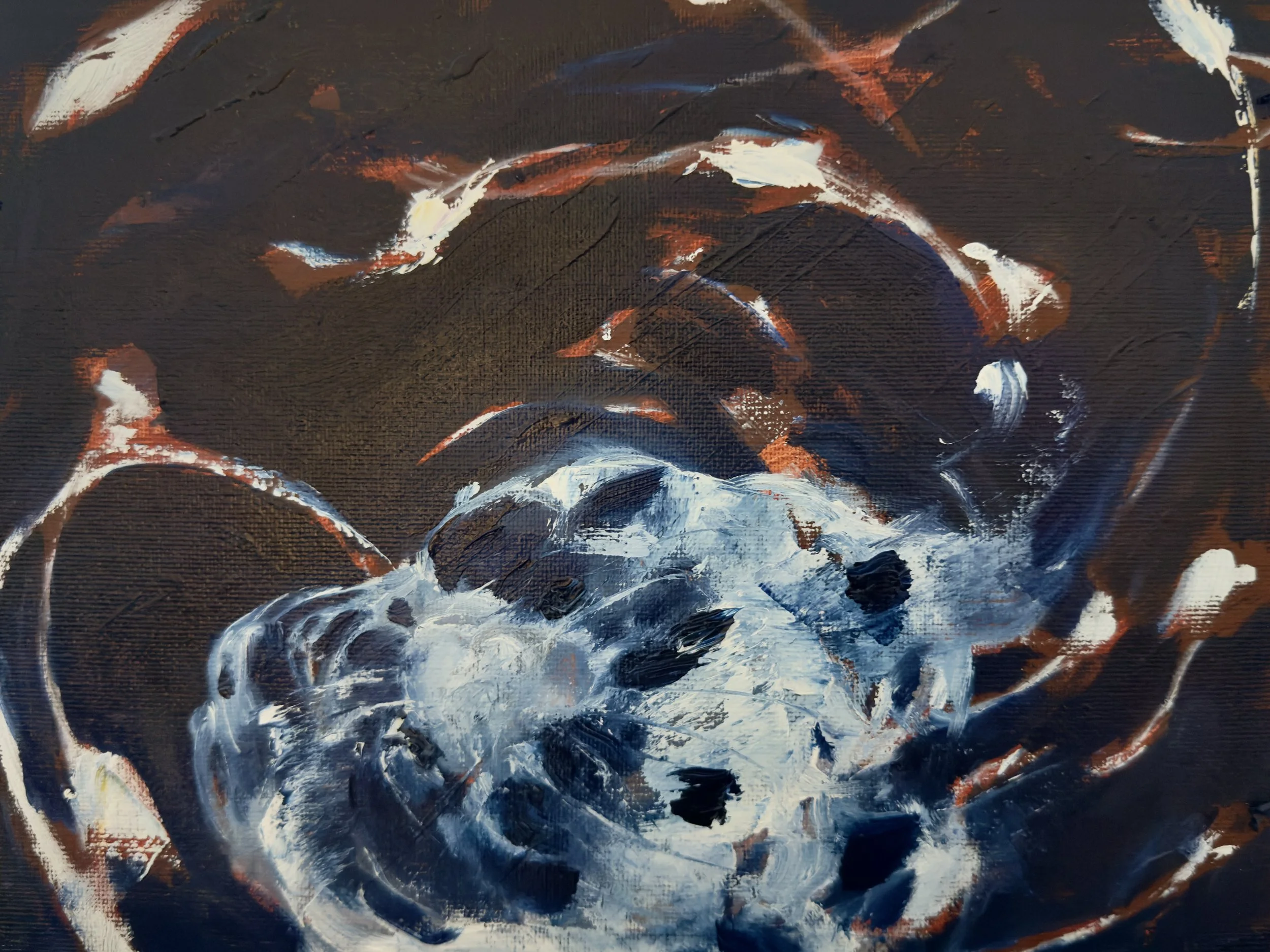
Windy II, by Kate Norris, 9”x12”
The world uses art as a gift all the time but does not know the Giver of it. Art and music are languages that everyone around us is already speaking regardless of their culture. Creativity, art-making is a part of human nature...a reflection of our Creator God. In his book, Soul of Desire, Curt Thompson writes about how being made in God’s image makes us creative:
“Being [known and] loved as God loves us readies us to make, as God has made us and the world around us. As image bearers of the triune God, we reflect his image not only in our character, in the capacities of our minds, and in our constitutional interdependence; we also reflect his image in our desire to create and to do this within relationships as well. Moreover, in our acts of creativity, we long deeply for our creations to be objects of beauty, artifacts that unquestionably draw our whole selves in, that captivate us and hold us. In other words, we are created to be known in order that we might further steward and create beauty—which in turn cycles back to deepen the relational process of being known” (Curt Thompson, Soul of Desire, 40-41).
We long to be known. When we create something, what is deep inside comes out. We discover ourselves anew. It feels vulnerable to share it but yet we long to because we long to be known. Art is actually a gift of grace from the One who knows us better than we do ourselves. No matter where you’re from, you know art and music in some way shape or form. And you don’t have to be a creator to appreciate it and connect with it.
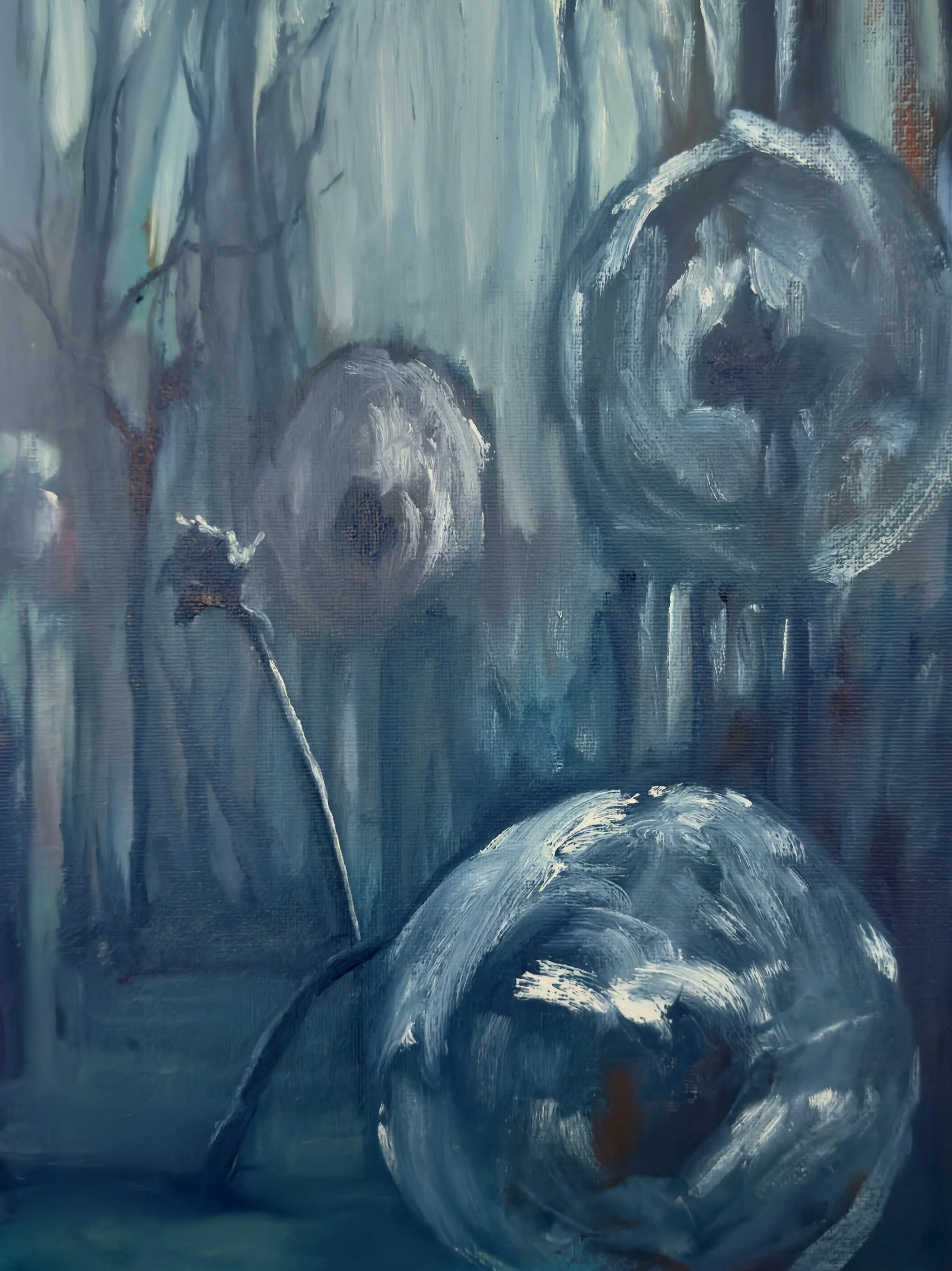
Sadness by Kate Norris, 12”x9”
Like the world, Christians give voice to the lament, the pain. The world often stops there. Christians give full voice to the lament, to the confession, to the longing... but with a greater hope that Jesus redeems all things and makes us new. “By his wounds you are healed” (Isaiah 53:5, 1 Peter 2:24). When we use art in ministry, we are piggy-backing on something that all of us use and expect to help us feel, to connect with where we are, to give voice to what’s going on inside of us. Everyone everywhere is already using art and music to find comfort and hope. Whenever you operate in this creative language you will find that it’s like a special ops team that sneaks past people’s defenses. God, the real Missionary, the real Artist, knows this about art that’s why he speaks to us through it! Poetry, song, apocalyptic visions/dreams make up a THIRD of the Bible! (Narrative makes up 43%, Prose discourse makes up 24%). (“Literary Styles in the Bible” BibleProject.com). Art sneaks past the rational, past all the carefully curated manicured lawns of our lives and pops up like a weed, a dandelion?, right in the middle of where people are really living. Art gets to our areas of pain and the healing process has already begun as a result. It is the deep calling unto deep.
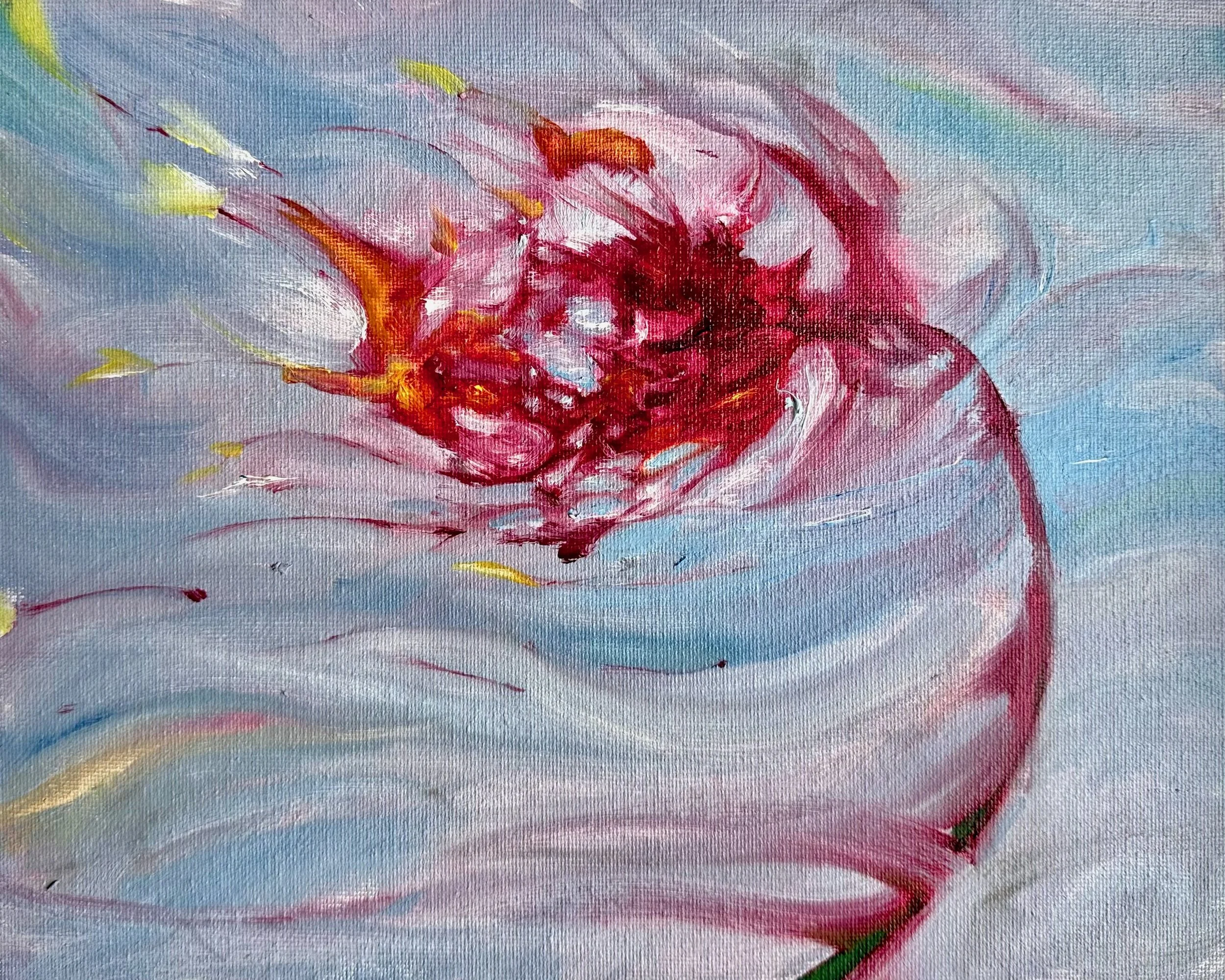
Blown Away, Kate Norris, 9”x12”
Art is a gift to the world, whether people recognize it or not. Former Archbishop Rowan Williams in his book, Grace and Necessity, states that art is a form of “creative excess” implanted in creation by a generous Gift-Giving God. Christian artists know this and can use art to its fullest extent: to express the depth of pain and brokenness and the height of Jesus’ redemption.
“Beauty is that which draws our attention with wonder and welcome and that ultimately leads us to worship—not worship of the object itself but worship of God in gratitude, humility, and joy” (Thompson, 41).
Art is a gift from a Generous Gift Giver. It helps us to know ourselves and be known. Beauty inspires wonder and awe. Christian artists use the covert-ops of art to convey the only Beauty that redeems. Our prayer is that it leads you to the One who has known you all along.
These paintings were done in a series called “Prayers for peace.” I was grieving wounds inflicted by churches and governments. I was blessed that they found homes with people who heard the Lord’s promise of healing and new life through them.
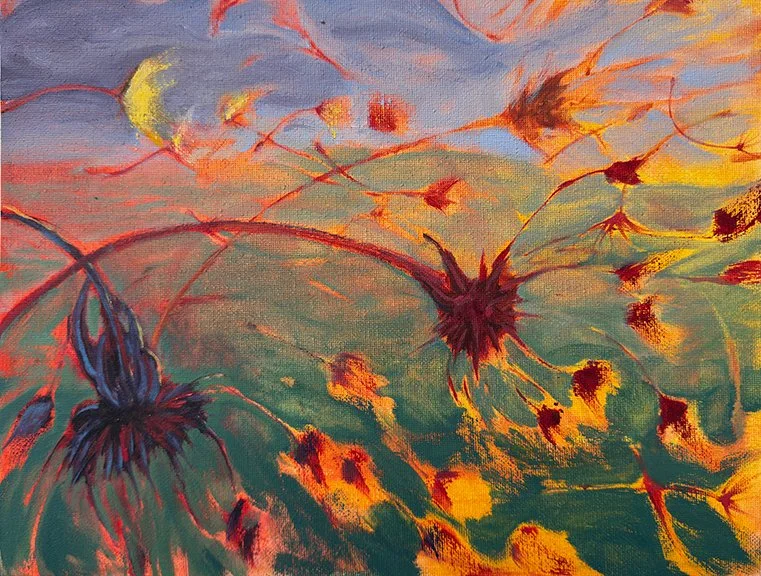
Golden Seeds, Kate Norris, 9”x12”
Recommended Reading